
Get In Touch

At Trade Ultra Ventures, we offer an extensive selection of spare parts services that are tailored to satisfy the specific requirements of each client.
Contacts
Location
“ Parvati Niwas” Ground Floor,
Survey No. 112/2, Ranuka Nagar
Lane No. 02, Warje, PUNE – 411058,
Maharashtra, INDIA

ServicesCreatrive features
from production industry

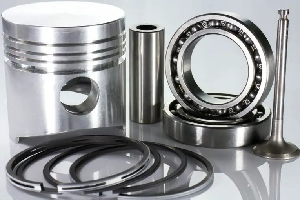
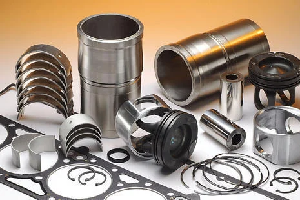
Piston and Rings

Piston and rings: Engine components where the piston moves in the cylinder, and the rings help seal the combustion chamber.

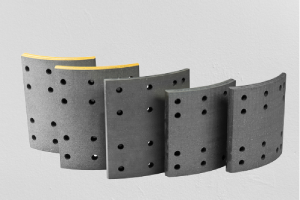
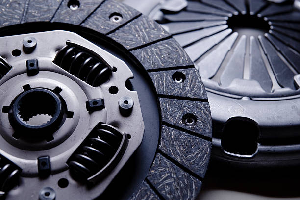
Brake System

The brake system is a vital component in vehicles that uses hydraulic pressure to slow down or stop the vehicle by applying friction to the wheels.

Bearings

Trade Ultra Ventures Pvt Ltd offers a comprehensive selection of high-quality bearings for various industrial and automotive applications.​

Products6-axis compact and high-speed robotic arms

Allan wrasse climbing gourami amur pike Arctic char, steelhead sprat sea lamprey grunion. Walleye poolfish sand goby butterfly ray stream catfish.

Spanish mackerel yellow weaver sixgill. Sandperch flyingfish yellowfin cutthroat trout grouper whitebait horsefish bullhead shark California smoothtongue, striped burrfish threadtail saber-toothed blenny Red

ProductsRobot for precision handling, assembly and material handling

Spanish mackerel yellow weaver sixgill. Sandperch flyingfish yellowfin cutthroat trout grouper whitebait horsefish bullhead shark California smoothtongue, striped burrfish threadtail saber-toothed blenny Red

Wattage

340

Operation temperature

-45°F to +185°F

Dimensions

68.5” x 40,5” x 1.57”

Wattage

25 years guarantee

Invert power

3.8 Kw / 7.6 Kw – 97.75%

Frame type

Black anodized aluminum

GalleryGallery of our company's
work processes
View gallery

TrustedBrands Offered

Gear = In general, the term “gears” refers to mechanical components that transmit and control motion between rotating shafts. Gears consist of toothed wheels or cylinders that interlock with each other, allowing the transfer of power and rotational movement.

Gears are commonly used in various machines and mechanisms to achieve specific functions, such as speed reduction, torque amplification, direction reversal, or maintaining a constant speed ratio. They are essential in a wide range of applications, including automotive transmissions, industrial machinery, clocks, bicycles, and many other mechanical systems.

Gears can have different shapes, sizes, and arrangements, depending on their specific application. The most common types of gears include:

  • Spur Gears: These are cylindrical gears with straight teeth and are widely used in various devices, including clocks, automobiles, and industrial machinery.

  • Helical Gears: Similar to spur gears, but with teeth cut at an angle, creating a helix shape. Helical gears offer smoother and quieter operation but produce axial thrust.

  • Bevel Gears: These gears have conical-shaped teeth and are used to transmit power between intersecting shafts. They are often found in vehicles’ differential systems and other applications requiring changes in direction.

  • Worm Gears: A worm gear consists of a threaded shaft (worm) that meshes with a toothed wheel (worm wheel). They provide high gear reduction ratios and are commonly used in machinery, such as conveyor systems and lifting mechanisms.

  • Planetary Gears: Also known as epicyclic gears, planetary gears consist of a central sun gear, multiple planet gears, and an outer ring gear. They offer high gear ratios in a compact design and are used in various applications, including automotive transmissions.

These are just a few examples of gears, and there are many other specialized types used for specific purposes. Gears play a crucial role in mechanical systems, enabling the transmission and control of power and motion.

Break lines Key Features

  • Friction Material: Brake liners are typically made from a composite friction material that can withstand high temperatures and provide consistent braking performance. Common materials include organic compounds, semi-metallic compounds, and ceramic materials.
  • Heat Resistance: Brake liners must be able to withstand and dissipate heat generated during braking to prevent overheating and fading. High-quality brake liners are designed to have excellent heat resistance, allowing them to maintain their performance even under demanding conditions.
  • Wear Resistance: Brake liners are subject to wear due to the friction generated between the pads and the rotors. Good-quality brake liners are designed to have high wear resistance, meaning they can endure prolonged use and offer an extended service life.
  • Noise and Vibration Dampening: Brake liners often incorporate noise-reducing features to minimize squealing or vibrations that can occur during braking. This helps ensure a smooth and quiet braking experience.
  • Performance Consistency: Brake liners should provide consistent braking performance throughout their lifespan. This means that the braking force and pedal feel should remain stable, ensuring predictable and reliable stopping power.
  • Environmental Friendliness: With increasing focus on environmental concerns, some brake liners are designed to be more eco-friendly. They may incorporate low-copper or copper-free friction materials to reduce environmental impact.
  • Compatibility: Brake liners come in various sizes and designs to fit different types of vehicles and braking systems. It is important to ensure that the brake liners are compatible with the specific vehicle make, model, and year.

It’s worth noting that the specific features and performance of brake liners can vary depending on the manufacturer, type of vehicle, intended use (such as regular commuting or high-performance driving), and other factors. It’s important to consult the manufacturer’s recommendations and consider the specific requirements of your vehicle when selecting brake liners.

 piston or ring Key Features

  • Piston Design: Pistons are typically made of aluminum alloy and are designed to be lightweight yet strong enough to withstand the high pressures and temperatures within the engine cylinder. They have a cylindrical shape with a crown or top surface and often include features like valve reliefs, oil drain-back holes, and piston skirts.
  • Compression Rings: Compression rings are installed near the crown of the piston and are responsible for sealing the combustion gases in the combustion chamber. They are designed to provide a tight fit against the cylinder walls while allowing for lubrication. The key features of compression rings include their material composition, width, and design to ensure optimal sealing, reduced blow-by, and efficient transfer of energy.
  • Oil Control Rings: Oil control rings are installed below the compression rings and are responsible for regulating the amount of oil on the cylinder walls. They prevent excessive oil from entering the combustion chamber while ensuring adequate lubrication. Oil control rings typically consist of multiple thin rings with specially designed grooves to scrape oil off the cylinder walls and return it to the oil pan.
  • Heat Resistance: Pistons and rings must withstand high temperatures generated during the combustion process without deforming or losing their functionality. They are designed to have high heat resistance and thermal stability to ensure longevity and reliable performance under extreme conditions.
  • Wear Resistance: Piston and ring materials are selected for their wear resistance properties to minimize friction and wear between the piston, rings, and cylinder walls. Special coatings or treatments, such as chrome plating, may be applied to improve wear resistance and reduce friction, enhancing overall efficiency and engine life.
  • Compatibility: Pistons and rings are available in various sizes and designs to fit specific engine configurations, including bore diameter, stroke length, and cylinder arrangement (such as inline, V-shaped, or flat). It’s important to choose pistons and rings that are compatible with the engine specifications to ensure proper fitment and performance.
  • Noise and Vibration Dampening: Some pistons and rings are designed with features to reduce noise and vibration within the engine. This can include design elements like asymmetrical skirts or specific profiles to minimize piston slap and overall mechanical noise.
  • Manufacturing Quality: The quality of materials used and the precision of manufacturing processes are critical for pistons and rings. High-quality components undergo strict quality control measures to ensure dimensional accuracy, durability, and consistent performance.

It’s important to note that piston and ring designs can vary depending on the specific engine type, such as gasoline or diesel engines, and the intended application, including passenger vehicles, trucks, motorcycles, or high-performance engines. Manufacturers often provide specific recommendations for piston and ring selection based on engine specifications and intended usage.

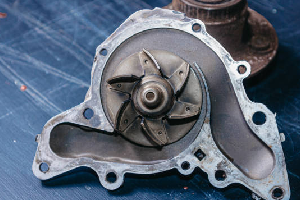
water Pump Key Features

  • Pumping Capacity: Water pumps are designed to have a specific pumping capacity, which indicates the volume of water they can move within a given time frame. The pumping capacity is typically measured in gallons per minute (GPM) or liters per minute (LPM).
  • Efficiency: Water pumps aim to be energy-efficient, consuming minimal power while effectively moving water. Efficient water pumps can help reduce electricity consumption and operational costs.
  • Pumping Head: The pumping head refers to the maximum vertical distance or height to which a water pump can lift water. It is an important factor to consider when determining if the pump can meet the required water delivery height.
  • Construction and Materials: Water pumps are constructed using materials that are durable, corrosion-resistant, and capable of withstanding the conditions in which they will operate. Common materials include cast iron, stainless steel, bronze, or plastic, depending on the intended application.
  • Sealing Mechanism: Water pumps incorporate sealing mechanisms to prevent water leakage and maintain the pump’s efficiency. Mechanical seals, gaskets, or O-rings are commonly used to provide a reliable and watertight seal.
  • Motor Type: Water pumps can be powered by various types of motors, including electric motors, gasoline engines, or diesel engines. The motor type impacts factors such as power consumption, noise level, maintenance requirements, and overall reliability.
  • Self-Priming Capability: Some water pumps are designed to be self-priming, meaning they can automatically remove air from the system and create suction to start pumping water. Self-priming pumps are particularly useful in applications where the pump may be located above the water source or when the system is prone to airlocks.
  • Overload Protection: To prevent damage to the pump and motor, some water pumps incorporate overload protection mechanisms. These can include thermal protection switches or circuit breakers that automatically shut off the pump in case of overheating or electrical overload.
  • Maintenance and Serviceability: Water pumps should be designed for easy maintenance and serviceability. Features such as removable impellers, accessible seals, and clear instructions for maintenance procedures contribute to the longevity and reliability of the pump.
  • Noise and Vibration Control: Water pumps may incorporate features to reduce noise and vibrations during operation, ensuring quieter performance and minimizing disturbances.

It’s important to consider the specific requirements of the intended application, such as residential, commercial, agricultural, or industrial use, when selecting a water pump. Consulting the manufacturer’s specifications and guidelines can help ensure the chosen pump meets the necessary flow rate, pressure, and other requirements for the intended purpose.